Featured

JUST RIGHT- OCD Obsessive-Compulsive Disorder

Hello lovely readers!! Welcome back to another bit on Olives Corner. As always I’m excited to share my passion for mental health with you, opening your eyes to everyday disorders that we usually do not notice. Today we will be talking about OCD, Obsessive-Compulsive Disorder; rarely spoken about or given attention to in Ghana or even Africa. Let’s take some time to unpack each word; obsessive, compulsive, and disorder.

Obsessions are thoughts or ideas that continually preoccupy someone’s mind over and over. They can have a very destructive effect on a person. Often time’s people with OCD do not enjoy these thoughts and they usually find them very disturbing. These obsessive thoughts usually do not make sense and individuals with OCD know it!!!

The powerful and uncomfortable emotions that frequently accompany obsessions include anxiety, contempt, doubt, and the need to accomplish things “exactly right.” Obsessions are intrusive, unwelcome thoughts, desires, or ideas that cause incredibly upsetting feelings. These feelings cause anxieties and can escalate to panic or anxiety attacks. Let me bring it into more relatable terms.

Now and then most of us have unwanted thoughts, such as thinking we may have forgotten to lock the door, or even sudden unwelcomed violent, or offensive mental images. But if these unpleasant thoughts are persistent and dominate your thinking or mental faculties to the point where it affects your daily functioning, you may have an obsession.

Some common thoughts that plague people with OCD include:

  • fear of deliberately harming yourself or others – for example, fear you may attack someone else, such as your children
  • fear of harming yourself or others by mistake – for example, fear you may set the house on fire by leaving the cooker on
  • fear of contamination by disease, infection, or an unpleasant substance. You may feel the need to ensure that your surroundings are free of germs, bacteria, or even dust.
  • a need for symmetry or orderliness – for example, you may feel the need to ensure all the labels on the tins in your cupboard face the same way

You may have obsessive thoughts of a violent or sexual nature that you find repulsive or frightening. But they’re just thoughts; having them does not mean you’ll act on them.

 Compulsions are actions someone takes to suppress their obsessions and/or lessen their suffering. They can also be known as repetitive behaviors or mental acts that a person with OCD feels driven to perform due to the anxiety and distress caused by the obsession.

It’s possible to just have obsessive thoughts or just have compulsions, but most people with OCD experience both.

Compulsions start as a way of trying to reduce or prevent anxiety caused by the obsessive thought, although in reality, this behavior is either excessive or not realistically connected. For example, a person who fears contamination with germs may wash their hands repeatedly, or someone with a fear of harming their family may have the urge to repeat an action multiple times to “neutralize” the thought.

Most people with OCD realize that such compulsive behavior is irrational and makes no logical sense, but they cannot stop acting on it and feel they need to do it “just in case”.

Common types of compulsive behavior in people with OCD include:

  • cleaning and hand washing
  • checking – such as checking doors are locked or that the gas is off
  • counting
  • ordering and arranging
  • hoarding
  • asking for reassurance
  • repeating words in their head
  • thinking “neutralizing” thoughts to counter the obsessive thoughts
  • avoiding places and situations that could trigger obsessive thoughts. Not all compulsive behaviors will be obvious to other people
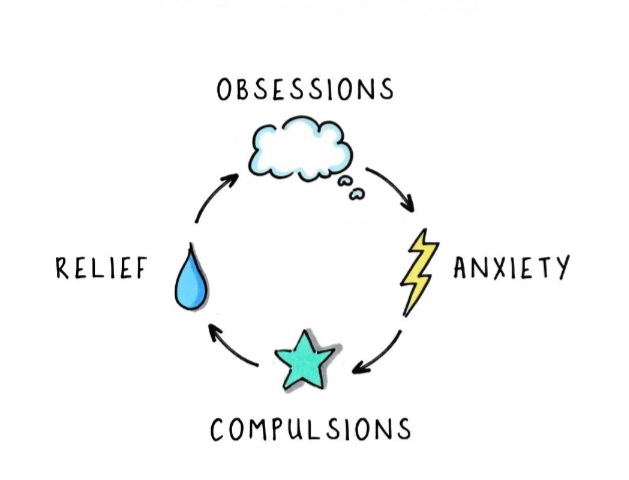
OCD is a Cycle

Now, this is where the trouble is because people who have OCD show a lack or impairment in social functioning or occupational settings. Their relationships tend to become very rigid, formal, and distant because one party has traits of perfectionism and tends to be over-controlling.   

For a diagnosis of obsessive-compulsive disorder to be made, this cycle of obsessions and compulsions becomes so extreme that it consumes a lot of time and gets in the way of important activities that the person values.

People living with this disorder are all around us and most of them may not even know that they have OCD, give them the benefit of the doubt, be kind and patient with people, and do not fault them for being overly cautious or laughing at them for being neat freaks, the anxiety they go through within comes with so much discomfort they would wish they were different. The people run the risk of going into a state of depression.

If you know someone with this disorder, or if you have figured out that you may have OCD, kindly speak to a mental health professional to help get you on a behavioral management plan.

Till I come your way again, this has been Olives Corner. See you in the next issue.

American Psychiatric Association (2013)
Diagnostic and Statiscal Manual Disorders (DSM-5)
Understanding Abnormal Behaviour (9th Edition)

Featured

Two sides of the same coin; Bipolar disorder.

Hello, lovely people reading this, welcome back to my blog. I am so excited to have you here. Today I am going to be talking about a widely discussed topic Bipolar disorder. Now, this is a very technical and dicey topic but I’m going to try my best to explain it in simple terms. Stick and stay with me as we dive into the topic. (Ok this sounds very you tuby, but moving on…)

 Bipolar disorder, in the past, was called Manic Depression because it was and is characterized by episodes of mania which are extremely high or elevated moods and very low moods (Depression).

When you become depressed, you may feel sad or hopeless and lose interest or pleasure in most activities. When your mood shifts to mania you may feel euphoric, full of energy, or unusually irritable. These mood swings can affect sleep, energy, activity, judgment, behavior, and the ability to think clearly.

 
Symptoms of bipolar disorder.
Apart from the two extreme mood disorders, i.e. mania and depression, there are seven other symptoms or signs one can use to suggest that a person may be Bipolar. These signs can be classified under the manic phase and depression phase. 

Disruption of Sleep Patterns

Often, manic episodes are characterized by a shift in an individual’s sleep routine. Some people may get as little as 3-5 hours of sleep due to overly elevated energy levels. This disruption of sleep can lead to other health issues over time.


Restlessness and agitation
Restlessness or the feeling of being agitated is another symptom of bipolar disorder, which is associated with the manic phase. It normally involves the inability to sit still, tapping fingers, being easily irritable, or abruptly starting or stopping tasks. For many people diagnosed with bipolar disorder, this agitation will feel like an anxious restlessness that is difficult, if not impossible, to control.


 Racing thoughts and accelerated speech

Most of the time an individual would ramble on and on about a particular topic or a range of topics. If this happens with high intensity it can be a significant sign of Bipolar disorder. This pace of speech may not afford the listeners the ability to understand what the person is saying or trying to say at the moment.

 
Overconfidence and Impulsive Acts
Bipolar disorder can lead to exaggerated feelings of confidence in risky situations. People with bi-polar disorder tend to act on their impulses very often. This happens within or during the manic phase. Impulsive acts include; one-night stands, reckless gambling, and impulse buying of very expensive items they cannot afford to have, etc.

 Withdrawal from Family, Friends, and Activities
During the depressive phase, many people with bipolar disorder often feel apathy towards activities they once enjoyed, withdraw from a healthy lifestyle, and dissociate themselves from friends and family, shutting themselves off from the outside. They no longer find joy in things they loved. This most of the time hurts the people around them the most. Individuals may not even know they are causing harm to their loved ones.

 
Preoccupation with death and thoughts of suicide
As a common sign of depression, suicidal thoughts are another sign of bipolar disorder. It becomes highly important to not ignore these signs just because you may have seen the same individual lavishly spending a few weeks ago.


Change in appetite and sleep
Bipolar disorder can result in the disruption or change in a person’s eating patterns. In this case, they would either take to eating a lot or not eating at all.

Even though I have mentioned the loss of interest in sleep due to high energy levels in the manic phase, there could also be increased levels of tiredness or fatigue which would cause the individual to sleep for long hours in the day and night.


Finally,
If a few people come to mind as you read this blog, or if you’re noticing patterns in yourself that you’ve been ignoring, I recommend seeking professional help. It is not shameful to be diagnosed with bipolar disorder, and it is not the end of the world.

At least one very severe manic episode and at least two weeks of depression are required for a diagnosis of Bipolar disorder.

Medications and cognitive behavioral therapy can help you regulate your moods and realign your thought process so that you are more self-aware.

A positive lifestyle that recognizes the benefits of sleep and the health benefits of exercise, for example, will also make a significant difference. As always, talk to an expert in mental health if you have further concerns about bipolar disorder. With the right help and support, anyone can live a full and satisfying life.

Till we meet again, it’s been Olives Corner

American Psychiatric Association (2013)
Diagnostic and Statiscal Manual Disorders (DSM-5)
Understanding Abnormal Behaviour (9th Edition)
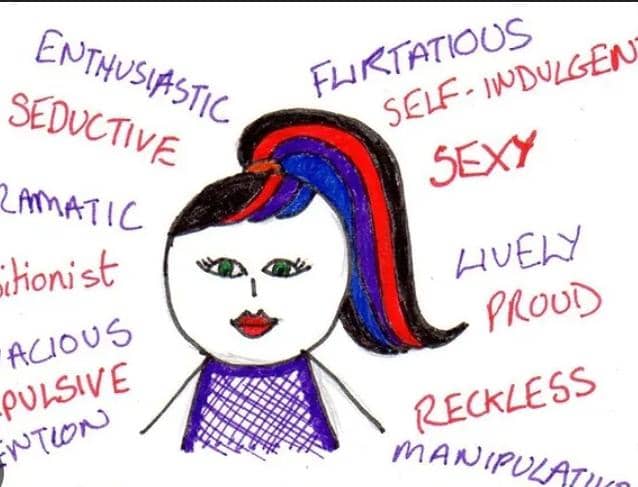
It’s All About ME- Histronic Personality Disorder

Hello lovely readers, it’s Olivia, and I am back with another exciting blog on everyday mental health issues. Today, we are going to talk about Histrionic Personality Disorder (HPD), a very interesting personality we do not hear about too often but is highly prevalent in our modern society.

Histrionic Personality Disorder (HPD) is characterised by strong, erratic emotions and a damaged sense of self. Histrionic can also be defined as “dramatic or theatrical.” Self-esteem for those with HPD is based on other people’s approval rather than a genuine sense of self-worth. They have an intense need to be seen, and they frequently act inappropriately to do so.


Often times, those who suffer from HPD are unaware that their actions and way of thinking may be harmful. HPD typically manifests in late adolescence or the early twenties. HPD is more frequently diagnosed in women than in men, however some studies believe that men may be underdiagnosed. HPD is also characterised by excessive, extravagant emotional outbursts for attention.


Symptoms
The symptoms of HPD include
1. Feeling underappreciated or depressed when they’re not the centre of attention.
2. Being dramatic and overly emotional expressive, even to the point of embarrassing friends and family in front of others;
3. Having fast changing and shallow emotions
4. Taking an excessive interest in their appearance by choosing loud colours or inappropriate outfits to draw attention to their physical appearance.
5. Speaking dramatically and expressing strong opinions but with few facts or details to support their opinions.
6. Being gullible and easily influenced by others, especially by the people they admire.
7. Thinking that their relationships with others are closer than they usually are.
8. Having difficulty maintaining relationships often seeming fake or shallow in their interactions with others.
9. Always in need of instant gratification and become bored or frustrated very easily.
Constantly seek reassurance or approval.

Causes
One of the least understood mental health illnesses is HPD.
Research on histrionic and other personality disorders has revealed a number of risk factors that may contribute to the emergence of these illnesses, including:

Genetics: Because HPD tends to run in families, researchers believe there may be a genetic (inherited) component to the condition

· Parenting: HPD may be more prone to develop in children exposed to parenting methods that lack boundaries, are too indulgent, or are inconsistent. Also, children are at risk for acquiring this disorder if their parents engage in dramatic, chaotic, unpredictable, or inappropriate sexual conduct.


As previously mentioned, histrionics are often times unaware that their behaviours or thought patterns may be harmful, and as such, we need to treat them with kindness, regardless of the situation. People may be dealing with issues they may be ignorant of, and the least we can do as individuals is to show people a little kindness when we meet them.


Until I come to your screens again, this is Olive’s Corner

We cry, then We move!!!

Hello readers it’s another beautiful day in the new year and before I begin, I would like to wish you a Happy New Year. I pray that as we keep increasing in knowledge this year, we will see God’s goodness. January is a month of new beginnings and with new beginnings come new stressors from every aspect of our lives; academic, work, relationships, family, religious etc. In today’s blog I will be writing on the topic of stress and coping with emphasis on coping strategies.

Stress is an anxious or threatening feeling that comes with interpreting or appraising a situation as being more than what our psychological or physical resources can adequately handle. Stressors are situations that pose this threat to us. The stressors may have a relatively direct relationship to us (proximal stressors) such as career choices, academic hassles, death, or any major life transition, or they may be indirect (distal), for example economic conditions, social policies etc.

In our day to day lives, whenever we are questioned on the state of our being we usually tend to say “Oh, things are fine” but on certain rare occasions when the issues of life start to overwhelm us, or when we are stressed, we may sometimes say “… I’m coping.” In order not to sound burdened. As we go further in the blog, we will be unpacking what it truly means to cope (from a psychological standpoint).

Coping according to Lazarus and Folkman (two Psychologists who propounded the theory of stress and coping) is referred to a person’s efforts to manage demands that are appraised as taxing or beyond their resources. Appraisal is just a fancy word used for how we interpret or understand an event or situation, therefore the appraisal of a particular situation is subjective to the individual experiencing it. In other words coping is the manner in which we handle or try to deal with stress.

There are over 300 coping strategies that have been identified by scholars and researchers but they can be categorized into 2 different types of coping; Emotion- focused coping and Problem focused coping. Let’s jump right in shall we…

Emotion focused coping, this is believed to be the first type of coping we engage in when we face a stressful situation. It is when we do things to primarily deal with our emotional. Behaviours such as seeking support, sympathy, crying or even denying and avoiding the situation are forms of emotion-focused coping.

Problem focused coping is the second type of coping and this happens when we try to decrease stress by beginning to seek solutions to the problem. This could either come in the form of seeking information, taking an action or even changing your own behaviour.

Now, it is prudent to know that the type of coping strategy a person chooses partly on the situation and partly on the individual’s personality. Certain individuals may not even adopt emotion focused coping before moving on to the next. The personality factor that influences a person’s choice of coping strategy is how much control he or she believes to have over the situation. An individual who appraises the situation as under or within their control would most likely adopt the problem focused coping strategy, unlike an individual who sees the situation as beyond their control. Individuals who appraise a situation as being out of their control would first use emotion focused coping to help them get rid of any negative emotion such as anger, frustration, sadness or even jealousy. Once all emotions are settled problem-focused coping is used to help solve the problem. For example, women are more prone to use emotion-focused coping to help deal with stress while men would usually go straight for problem focused coping in order to solve the problem.

While emotion focused coping is very useful in the moment it is a very short-term solution. Although you may tend to feel emotionally sound, the issue or the cause of the stress would not go away until problem-focused coping is adopted to solve the issue and it has a long-term effect.

Let’s consider this scenario; a husband and wife, married for 5 years lose their child. The wife will most likely stay in grief much longer than the husband would, not because the husband does not care about the death of the child but biologically and psychologically men are more prone to adopt problem focused strategies faster than women. In this case the husband may want to start funeral plans to bury the child (taking steps to decrease stress) while the wife may still be in denial (first stage of the grief process).

These forms of coping strategies help to make the individual psychologically sound and able to function. In the coming months dear reader, we have to be more intentional about how we handle stressful situations. In my opinion, both strategies are needed in order to carefully eliminate a stressful situation and all the negative emotions that come with it.

Till I come to your screens again, this has been Olive’s Corner.

Different Perspectives ≠ Crazy; Schizophrenia.

Hello lovely readers, I am back again with another blog to guide you into a known but misunderstood aspect of mental health. Today we are going to be talking about Schizophrenia.

Schizophrenia unlike certain disorders cannot be defined by one symptom. It is defined by its characteristics. Schizophrenia has an array and wide range of symptoms which are individual disorders in their own. Over the years the nature of schizophrenia has made it very hard for professionals to diagnose or even treat. In the past certain individual disorders were classified as schizophrenia but research has been able to accurately fish out the determinants of schizophrenia.

Research has shown that people with schizophrenia usually have hallucinations, delusions, feel like they are being manipulated or even hear voices. A case study revealed that an individual with schizophrenia may usually describe himself as being in another world or see things with a different perspective. As such schizophrenics who are able to get or receive treatments tend to become very artistic individuals.

Signs
Schizophrenia has 3 categories of symptoms, positive, negative and cognitive symptoms.

Positive symptoms do not mean good but these symptoms include unusual thoughts or perceptions such as delusions, hallucinations, thought disorder (incoherent thought-speech pattern). These kinds of symptoms increase with stress and disappear with treatment. Positive schizophrenic symptoms simply deal with the distortion of perception.

Negative symptoms of schizophrenia are associated with the inability or decreased ability to initiate actions or speech, emotions, or feel pleasure. Such symptoms include avolition (an inability to take action or become goal-oriented), alogia (a lack of meaningful speech), and flat affect (little or no emotion in situations in which strong reactions are expected). Negative signs of schizophrenia are those that involve the absence of a characteristic shared by the majority of persons. Lack of motivation, social connection, and communication are a few examples of this. Negative symptoms can be just as difficult to deal with, although being less evident than positive symptoms like hallucinations and delusions.

Cognitive symptoms of schizophrenia have to deal with problems with attention, memory and difficulty in developing an action plan, taking a decision or properly handling anything that has to do with their mental faculties. Unlike people with a healthy mental capacity, people with schizophrenia have severe cognitive impairments.

To make these symptoms a bit easier to understand, here are a few examples or instances to illustrate.

Positive Symptom- Bill always carries a pen knife around because he believes that everyone who approaches him wants to harm him even if they don’t and that every single person he walks by is talking about him. Bill in this case is suffering from delusions of persecution and reference.
It’s a general myth that people who suffer from delusions or hallucinations accept them to be reality. This statement is false because the strength of a delusion on a schizophrenic varies from individual to individual. Most people are able to identify certain aspects of their “new reality” as not real.
Hallucinations are distorted sensory perceptions, for example, an individual hearing voices telling him that jumping off the roof would give him the lift off he needs to fly like a bird.

Negative Symptom- A patient, for instance, might explain in detail how parts of his or her body are burning up but show absolutely no concern or worry through voice tone or facial expression. Due to the inability of patients to express their emotions bodily they may express it through art, poetry or even music.

Cognitive symptom- Erinn, the best student in the class suddenly starts to regress academically. She also lacks the mental capacity to take basic decisions which would affect her directly.

Although the symptoms have been stated here, kindly note that only a psychologist or psychiatrist is fit to diagnose an individual as being schizophrenic therefore please speak to any of these personnel before jumping into conclusions.

Schizophrenia receives a great deal of attention because it can be a severely disabling disorder that has a profound impact on the individual and on family members and friends. It is popularly believed that even though genetics and family history are determinants of the occurrence of schizophrenia, research has also found that overwhelming stress (family-related, work-related, etc.) can cause a well-adjusted and relatively normal person to experience a schizophrenic breakdown.

I would like to end on this note, anyone and everyone is prone to a psychotic break, the world and economy is hard enough as it is, if you have the opportunity and the means to make someone’s life a little easier do it, if you can’t do not add up to his or her problems. Until I come to your screens again with more on Mental Health, this has been Olives Corner

Source: American Psychiatric Association (2013)
Diagnostic and Statiscal Manual Disorders (DSM-5)
Understanding Abnormal Behaviour (9th Edition

Oh my God!! My heart!

OH MY GOD, MY HEART: Panic Disorders

 Hello lovely readers, it’s Olivia and I’m back again with another everyday psychology blog. As usual my aim is to inform and make you aware of the various issues in our daily lives with a psychological basis. Today we will be talking about Panic Disorders with a focus on Panic Attacks.

A panic disorder, simply put is a type or form of anxiety disorder whereby an individual has recurrent episodes of panic attacks, eventually affecting his or her daily functioning

According to a diagnostic manual used by Mental Health Professionals (DSM-IV-TR), panic disorders are diagnosed when an individual experiences panic attacks or fears about the consequences of an attack for a month. A Panic disorder is when you’ve had panic attacks (you feel terrified and overwhelmed, even though you’re not in any danger) for a month and constantly worry and change your routine to keep from having another one.

Individuals with panic disorder report intense panic attacks, which usually peak in about ten minutes or less, alternating with periods of somewhat lower anxiety, during which they may be apprehensive about having another panic attack. The attacks are especially feared because they often occur unpredictably and without warning.

 Symptoms?

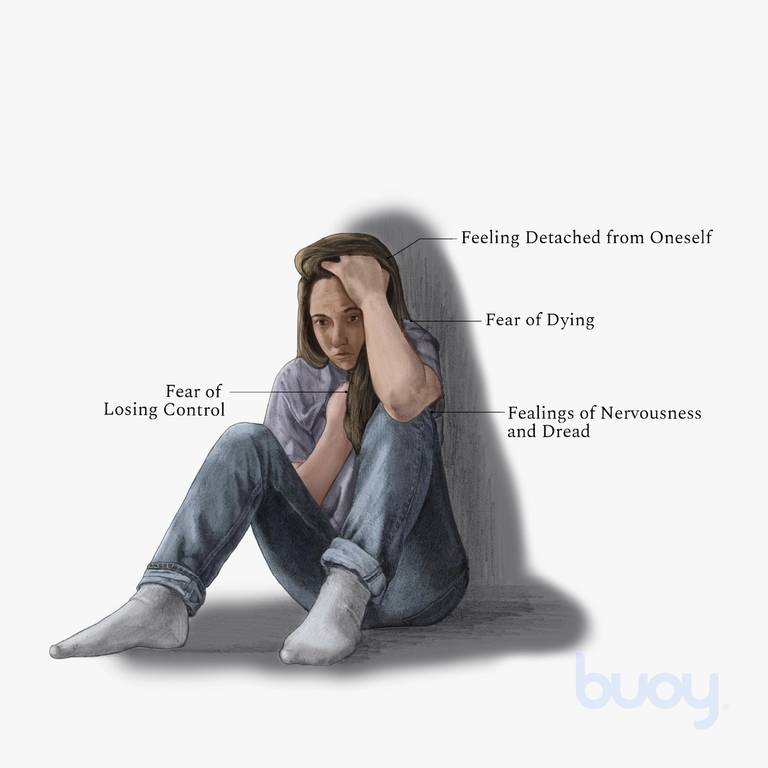
A panic attack is a sudden strong feeling of fear that can happen anywhere, at any time. When experiencing a panic attack you may notice four or more of the following:

  • Headaches
  • Trembling
  • Tightening of the throat
  • Belly cramps
  • A sense of being choked
  • Nausea 
  • Dizziness
  • Numbness 
  • Fear of death
  • Hot flashes
  • Heart pounding

A typical episode lasts between five and ten minutes, but it might last for several. You can experience symptoms similar to a heart attack or stroke. As a result, those who experience panic episodes frequently find themselves in the emergency room.

Panic attacks are not necessarily harmful but they can get worse without treatment or management,  so I would advise that you see a doctor when you notice the reoccurrence.

Also keep in mind that panic attack symptoms resemble those of more serious illnesses. Call your doctor simply to be cautious if you’re unsure whether what you’re experiencing is a panic attack.

Cause?

There have been no  known specific causes of panic disorder or panic attacks but one possibility is that individuals affected by this disorder may have brains which are extra sensitive in responding to fear.  It has been found that there is a link between panic attacks and phobias (fear of specific things).

Other Causes

1.      Family History of Panic Disorder

2.      Elevated stress levels

3.      Negative thinking

4.      Emotional Disturbance

Management.

As said in the paragraphs above panic attacks occur without warning. One may even begin while you’re sleeping. To treat this disorder, one would have to see a Clinical Psychologist, or a mental health professional. These professionals are sometimes known as psychotherapists. Certain lifestyle changes (such as those listed below) can also help to manage the symptoms.

·         Cutting back on caffeine

·         Regular exercise

·         Limiting alcohol

·         Deep breathing exercises

Until next time keep track of your mental health, make sure you’re resting, and till I come to your screens again and its beenOlives Corner

American Psychiatric Association (2013)
Diagnostic and Statiscal Manual Disorders (DSM-5)
Understanding Abnormal Behaviour (9th Edition)
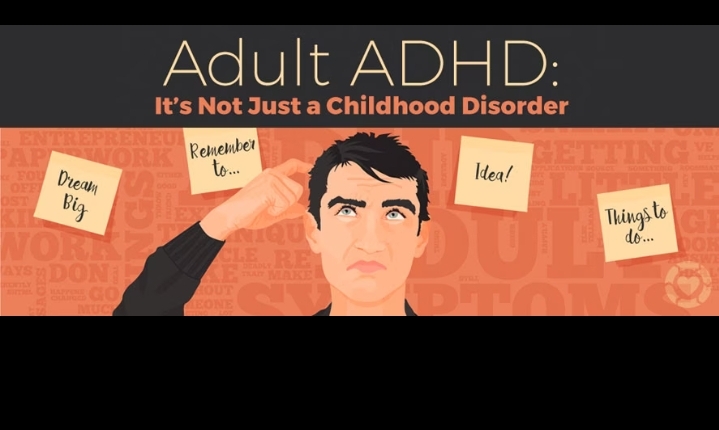
Just can’t get things right? ADHD in adults

Hello lovely peopleeee. It’s been a whole month of silence here on Olives Corner, nevertheless I am back with more informative juices on certain aspects of Mental Health you may skip over in your everyday life. Today we are going to be looking at ADHD or Attention Deficit/ Hyperactivity Disorder.

Most of us growing up did not know what ADHD was or still is, but mental health awareness is becoming increasingly important and we need to know these things. 

ADHD is mostly known to be diagnosed in children. Which is quite ironic because the nature of this disorder is similar to the nature of a normal 4, 5, 6 or even 7 year old so diagnosing is often times a daunting task. However, the highlight of this post will be on ADHD in adults, some symptoms, certain struggles they face and how to handle these types of people.

ADHD in adults does not just appear overnight like a flu. Every Adult who has ADHD had it as a child, it just went undetected or diagnosed, and for some it was played as off normal childhood behaviour.

Now there is no bias when it comes to gender, ADHD affects both males and females equally. Unfortunately there is no cure, fortunately it is not fatal…whew! Now here’s the interesting part, research has shown that while a good number of children outgrow it, 60% still have it, even as adults. 

Symptoms 

There are a number of problems an adult with ADHD can face.  You may find it difficult to

  • Follow directions
  • Remember information
  • Concentrate
  • Organize tasks
  • Finish work on time
  • Prioritize

These symptoms may differ from person to person, and can also differ in severity. They eventually end up causing trouble for the individual but most people find ways of coping or adapting, as is human nature.

Diagnoses

Most at time the tendency to self –diagnose is very high but there is good chance that your diagnoses, if you are not a mental health professional will be wrong. In order to get an accurate diagnoses you would have to see mental health professional who would be able to fully diagnose you using a battery of psychological tests, an investigation into your childhood and health history. Although Psychologists have not agreed on an age at which ADHD can be diagnoses, they also don’t believe that it is developed overnight. It is therefore imperative that during diagnoses the elementary behaviours or even academic performances of the individual are investigated. 

 I would like to end this blog with this, ADHD is not written on the foreheads of people, it is a disorder people silently battle with, some unknowingly, so before you decide to  lash out at someone for not following directions or fault someone for not being organized, give the person the benefit of the doubt. So until next time, this has been Olives Corner, bringing psychology to everyday life.

BREATHE

Feeling Anxious?….BREATHE

Everyday Anxiety

Anxiety is something that everyone experiences from time to time. When confronted with an issue at work, before taking a test, or before making a major decision, you may experience anxiety.  Everyone may go through a certain episode of anxiety during their week because the uncertainty of life can cause one to feel stressed. This is why Psychologists, Counsellors, etc., encourage us to plan our day. To-do lists, setting reminders for tasks, or keeping little notes around to remind you of your next task in the day help to reduce the stress of knowing what to do next. Some situations or events occur which may be out of our control, these situations cause the most stress and produce feelings of anxiety. My advice for when you encounter such a situation is to instead of rushing to act react, you must first BREATHE; taking in deep breaths in a chaotic or stressful moment helps to clear the mind and also reduces the risk of stress-induced headaches. Breathing or relaxing helps you to think clearly and focus on what exactly the problem is and how to solve it. I dare say that a lot of disputes, problems, or events that destroyed relationships or organizations or even individuals, could have been solved if they only decided to step back, relax and breathe for 2-5 minutes. Deep breathing exercises go beyond breathing in and out. They aim to relax certain muscles that become tense when anxiety sets in. The video below teaches how to practice deep breathing exercises. 

Anxiety Disorders

Anxiety disorders, on the other hand, are more than just transitory anxiety or terror. Anxiety does not go away in those who have anxiety disorders, and it can get worse with time. Symptoms might make it difficult to do things like work, schoolwork, and maintain relationships. Once again anxiety doesn’t become a disorder until your normal daily functions are affected. There are many types of anxiety disorders including generalized anxiety disorder, panic disorder, and various phobia-related disorders. I will touch on Generalised Anxiety Disorder in this post and the others in subsequent posts.

Generalized Anxiety Disorder (When worry gets out of Control)

People with a generalized anxiety disorder (GAD) experience excessive anxiety or worry about everything including personal health, employment, social interactions, and normal life situations these worry can go on for at least 6 months. Fear and anxiety can lead to serious problems in social interactions, education, and career.

Generalized anxiety disorder symptoms include:

  • ·   Feeling restless, wound-up, or on-edge
  • ·  Being easily fatigued
  • ·   Having difficulty concentrating; mind going blank
  • · Being irritable
  • ·  Having muscle tension
  • ·         Difficulty controlling feelings of worry
  • ·         Having sleep problems, such as difficulty falling or staying asleep, restlessness, or unsatisfying sleep

What To Do

Normally to treat GAD, Psychotherapy or Cognitive Behavioural Therapy is used. Psychotherapy, also called ‘talk therapy’ can be effective in managing Anxiety. Psychotherapy must be addressed at the person’s fears and suited to his or her requirements to be effective.

Cognitive Behavioural Therapy (CBT) is a form of talk therapy or psychotherapy which can be used. It teaches people how to think about, behave with, and react to anxiety-inducing and frightening situations and circumstances in new ways. CBT can also aid in the development and practice of social skills, which is critical in the treatment of social anxiety disorder.

The various form of therapy is best executed by a mental health professional or a psychologist. Self-treating may only result in short-term relief, but remember the first thing you can and must do is to BREATHE.

Until next time, this has been Olives Corner.

PS: The title of this post is inspired by one of my favorite songs by Maverick City

American Psychiatric Association (2013)
Diagnostic and Statiscal Manual Disorders (DSM-5)
Understanding Abnormal Behaviour (9th Edition)

Depression? Let’s get it right. 

What is depression? 

Being depressed is more than just being sad the definition of depression is the feeling of intense sadness coupled with a lack of interest and pleasure in daily activities, significant weight loss or gain, insomnia, or excessive sleeping over long periods. Depression is just one of 3 disorders in the depressive spectrum. The other 2 are Dysphoria and Depressive disorder.  Just to define quickly, Dysphoria is an unusually elevated sad mood (often mistaken for Depression), Depression is an emotional state characterized by intense sadness, feelings of futility and worthlessness, and withdrawal from others. The depressive disorder involves periods of symptoms in which an individual experiences an unusually intense sad mood for at least two weeks.

Let’s look at the numbers

Depression is a common illness worldwide, with an estimated 3.8% of the population affected, including 5.0% mong adults and 5.7% among adults older than 60 years. Approximately 280 million people in the world have depression. Locally, the depression rate is 6.7% in Ghana  Not to bore you with statistics because it is very likely that you, my dear reader have felt as you have been depressed at least once in your life. Hopefully, by the end of your read, you would be able to tell the difference between being sad and being depressed, symptoms of depression, and what action to take when we get depressed or we are to encounter someone with depression.

Depression is a serious sickness like cancer or malaria and it can be fatal. There are chemical reactions that go on in the brain to produce certain hormones that make us depressed. Depression can cause a lot of other issues, as said in my previous blog You’re probably not sick.

 According to the DSM-5, the manual psychologists and doctors use to diagnose mental disorders, you have depression when you experience five or more of these symptoms for at least 2 weeks:

  • Your mood is depressed for most of the day, especially in the morning.
  • You feel tired or have a lack of energy almost every day.
  • You feel worthless or guilty almost every day.
  • You feel hopeless or pessimistic.
  • You have a hard time focusing, remembering details, and making decisions.
  • You can’t sleep, or you sleep a lot, almost every day.
  • You have almost no interest or pleasure in many activities nearly every day.
  • You think often about death or suicide (not just a fear of death).
  • You feel restless or slowed down.
  • You’ve lost or gained a substantive amount of weight you did not intend to.
  • You feel cranky and restless
  • Lose pleasure in life
  • Overeat or stop feeling hungry
  • Have aches, pains, headaches, cramps or digestive problems that don’t go away or get better with treatment
  • Have sad, anxious, or “empty” feeling

This is quite a long list to conclude very easily that one is depressed. There are also as many causes of depression. Researchers have not been able to pinpoint the exact causes of depression, but have assumed and found out that a combination of, brain structure, brain chemistry, hormone levels, and genetics. 

Depression is a clinical disease and should not be taken lightly. If you know anyone suffering from depression, encourage the person to see a Clinical Psychologist or speak to a Clinical professional.

Reference

Institute of Health Metrics and Evaluation. Global Health Data Exchange (GHDx).  http://ghdx.healthdata.org/gbd-results-tool?params=gbd-api-2019-permalink/d780dffbe8a381b25e1416884959e88b

American Psychiatric Association. Diagnostic and Statistical Manual of Mental Disorders: DSM-IV-TR, American Psychiatric, 2000. 

You’re probably not sick

Somatic Symptom Disorder; The case of emotional illness.Hello dear reader, you are officially welcome to my first blog post here on Olives Corner


So it’s most likely that you have “felt sick” at one point in your life without actually testing positive for any particular disease. It’s very likely that 95% of the time you are somatizing. By the time you reach the end of this post, you should understand the criteria for diagnosing somatic disorders, and understand the treatment process.

 
What is Somatic Symptom Disorder?


So let us jump right into it, somatic disorders are Symptoms that involve physical problems and concerns about a medical condition. These symptoms usually do not involve any medical condition, in short, they are purely psychological. Hold up, no you are not crazy. Take a closer look at your symptom and you will realize that it is most of the time associated with certain excessive thoughts, emotions, or feelings which also hinder your daily functioning and routine and causes distress. This is when you can diagnose a Somatic Symptom Disorder. This does not mean that anytime you cannot find anything medically wrong with you, you are experiencing a Somatic Symptom Disorder. Relax! The emphasis is on the extent to which excessive thoughts, feelings, or behaviors affect how you are feeling.


 Examples of Somatic Symptom Disorder
An example of these symptoms can be shortness of breath, weakness, dizziness, fainting, digestive discomfort, and even pain during sex. These symptoms may not necessarily have an underlying medical condition.
People would typically go to a primary care physician rather than a mental health professional, also people may not want to accept that their conditions may be due to a psychological problem. Who wants to hear that right??

Treatment of SSD

Emotions, thoughts, or feelings cannot be cured and as such treatment for this disorder is aimed at controlling the symptoms and getting the individual to function as normal as possible. And No! There are no “home remedies” for Somatic Symptom Disorder.
You will have to see a mental health professional. Just so you know, a one time session is not enough. Anti-depressants or anti-anxiety medications can be prescribed if the individual is experiencing anxiety or depression. A doctor or physician can help to monitor the symptoms. Talk therapy is known to be of great help in managing Somatic Symptoms.
Thank you for taking the time to read, hope you learned something. Till next time, this has been Olives Corner.

Source: American Psychiatric Association (2013)
Diagnostic and Statiscal Manual Disorders (DSM-5)
Understanding Abnormal Behaviour (9th Edition)
Design a site like this with WordPress.com
Get started